


Everything, All at Once
I don’t know when we begin to become conscious of ourselves being watched. When we start wondering how we look. When we start deciding whether to move instead of simply moving.
Maybe it doesn’t happen all at once.
Maybe it is a long accumulation of tiny corrections.

The Room Is Familiar
I would wake up and there was this stretch of time before I had to become whoever I needed to be that day.
Then I had children.
And without really noticing it, mornings disappeared.

Stand Still
I can turn something over endlessly. I can make a very convincing argument for one direction and, given another twenty minutes, make an equally convincing argument for the opposite direction.
I don’t think I’m unusual in this.
The Place That Finds You
At first, a singing bowl may simply sound like a singing bowl. A gong sounds like a gong. Silence sounds like silence.
But sustained attention begins to reveal differences.
Looking Again
The question isn't usually, What should I play next?
It's closer to, What just happened?
A gong opens into a sound I wasn't expecting.
Two bowls interact and create something between them.
A tone hangs in the room longer than I thought it would.
Something becomes unsettled.
Something settles.
And I notice my response.

When the Body Stops Feeling Like Its Usual Shape
Interoception, pronounced in-ter-uh-SEP-shun, is a term for the sensing and processing of signals originating within the body.
Cambridge Dictionary describes interoception as the awareness of what is happening within your body and gives examples including hunger, thirst, temperature, tense muscles, and a racing heart.
The National Institutes of Health uses an even broader definition. Interoception includes the processes through which we sense, interpret, integrate, and regulate signals from within ourselves.
That last definition really interests me.
The 38-Inch Bowl
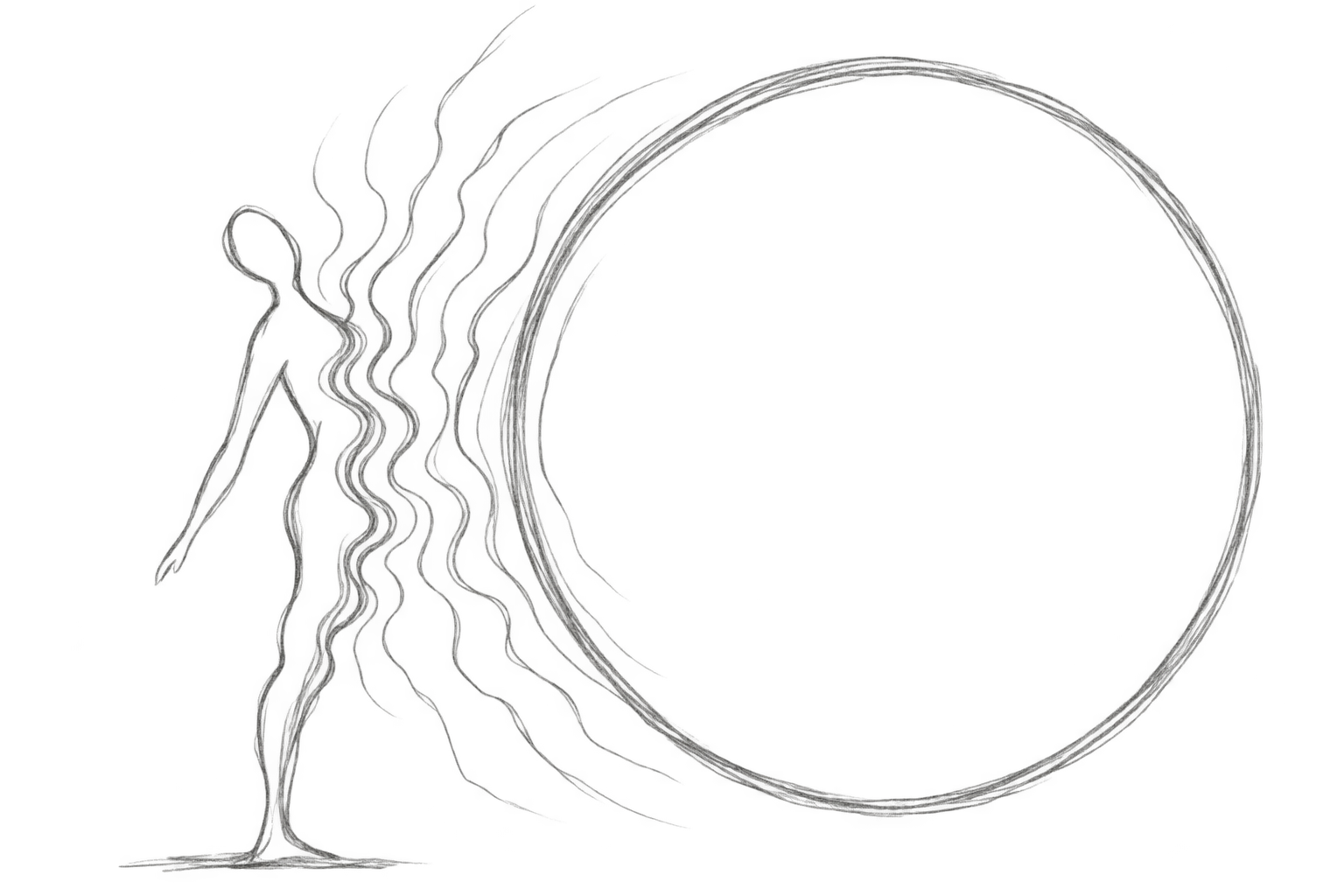
The vibration can feel enormous. When it moves easily through the body, there can be an extraordinary sense of being surrounded by sound. But people sometimes describe certain areas as feeling almost pressurized, as though the vibration has arrived somewhere it can't quite move through.
What the Body Was Still Holding
By morning, something was very wrong.
I was going about my morning, but it felt like I was watching everything on a screen.
I could reach out and touch something, but I didn't feel like I was actually participating in touching it.
My emotions were flat.
Sensation was numb.
It was almost as though the physical sensation of being alive was no longer present.
I could function.
I could walk around. I could think. I could do things.
I just didn't feel connected to any of them.

What Happens When I Stop Rushing?
Maybe sometimes I create the conditions for it.
Get there.
Finish this.
Start that.
Use the time.
Catch the opening.
Do one more thing.
None of those decisions seems particularly significant.
But together they create a way of moving through the world.
Finding My Own Way Into Tradition
At what point does honoring a tradition become repeating its container?
And when is choosing a larger pot not a rejection of what was handed down, but a way of helping it continue?
I think about this whenever I encounter a practice with a history much older than my own.
There is a traditional meaning. There is a form. There is a lineage that deserves respect.
But there is also the question of what happens when that practice enters another life.
Raven Sounds Tuned Gongs Review: A Musician and Sound Practitioner’s Perspective
I currently own four Raven Sounds tuned gongs, along with gongs from Paiste, Grotta Sonora, and Meinl. I use them as both a musician and a sound practitioner, in private sessions, group sound baths, and my own musical exploration.
Each maker has a distinct sonic identity. This is not an attempt to determine which brand is best. It is an account of how the Raven Sounds gongs behave musically and where they fit within a broader collection.

The Painting Beneath the Painting
The breakthrough didn’t happen because I finally perfected those old ideas.
It happened because I stopped insisting they remain the point of the painting.
The Body Is the Medium of Awareness
I knew changing my body somehow changed my thinking.
But looking back, I realize I interpreted that relationship backwards.
I thought I was finding tricks to improve my mind.
I never stopped to consider that my mind wasn’t operating independently in the first place.
Tension and Resolution in a Sound Bath
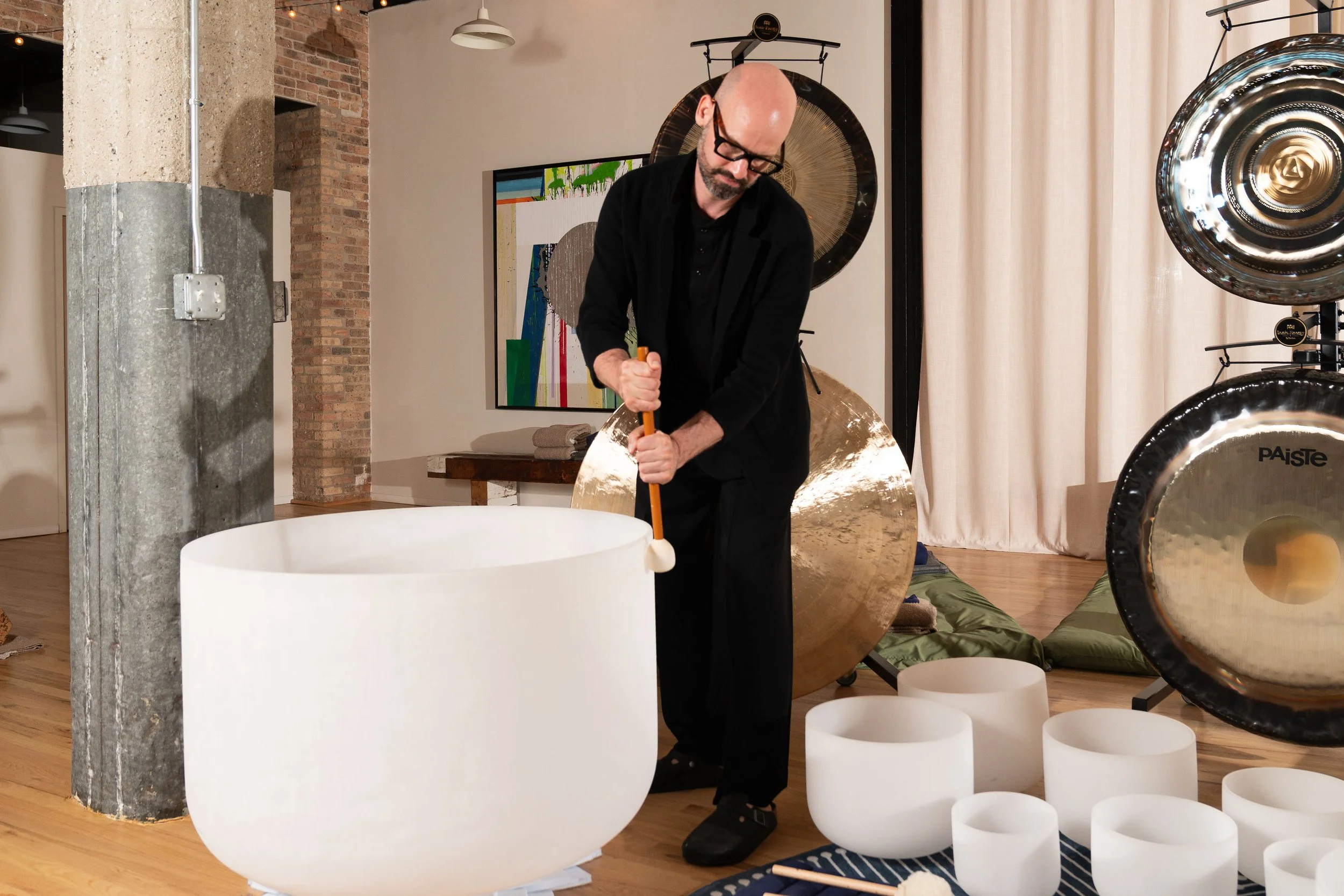
If everything I play is consonant, gentle and predictable, I can create a very comfortable experience.
But comfort and depth aren’t necessarily the same thing.
The Speed of Perception
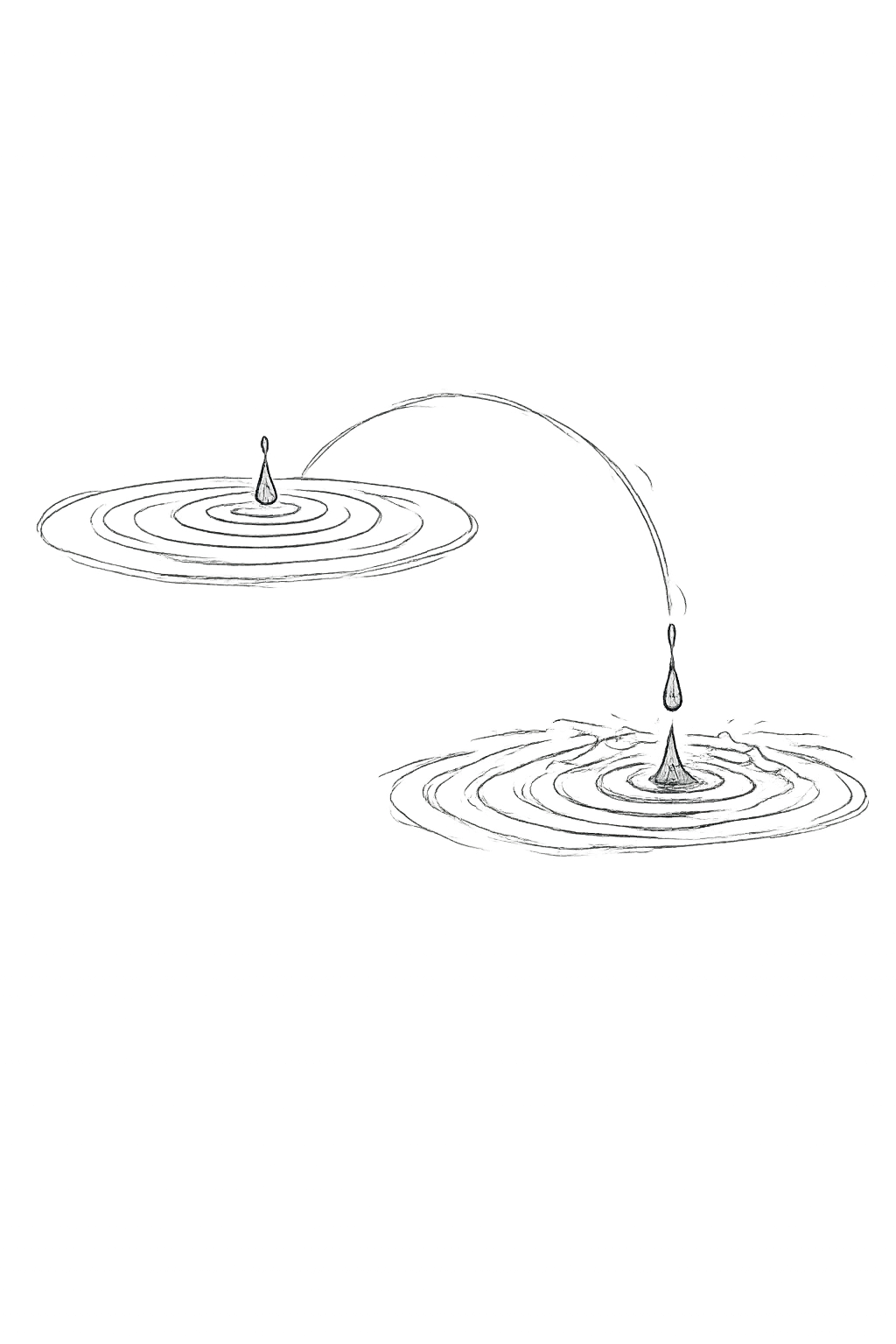
I’ve started wondering whether speed changes more than movement.
Perhaps it changes perception itself.
When I’m unhurried, I notice things.
The way the wind moves through the trees.
The conversation happening at the next table.
The expression on someone’s face when they think no one is watching.
People become wonderfully complicated.
Why I Return to This Chakra Meditation Again and Again
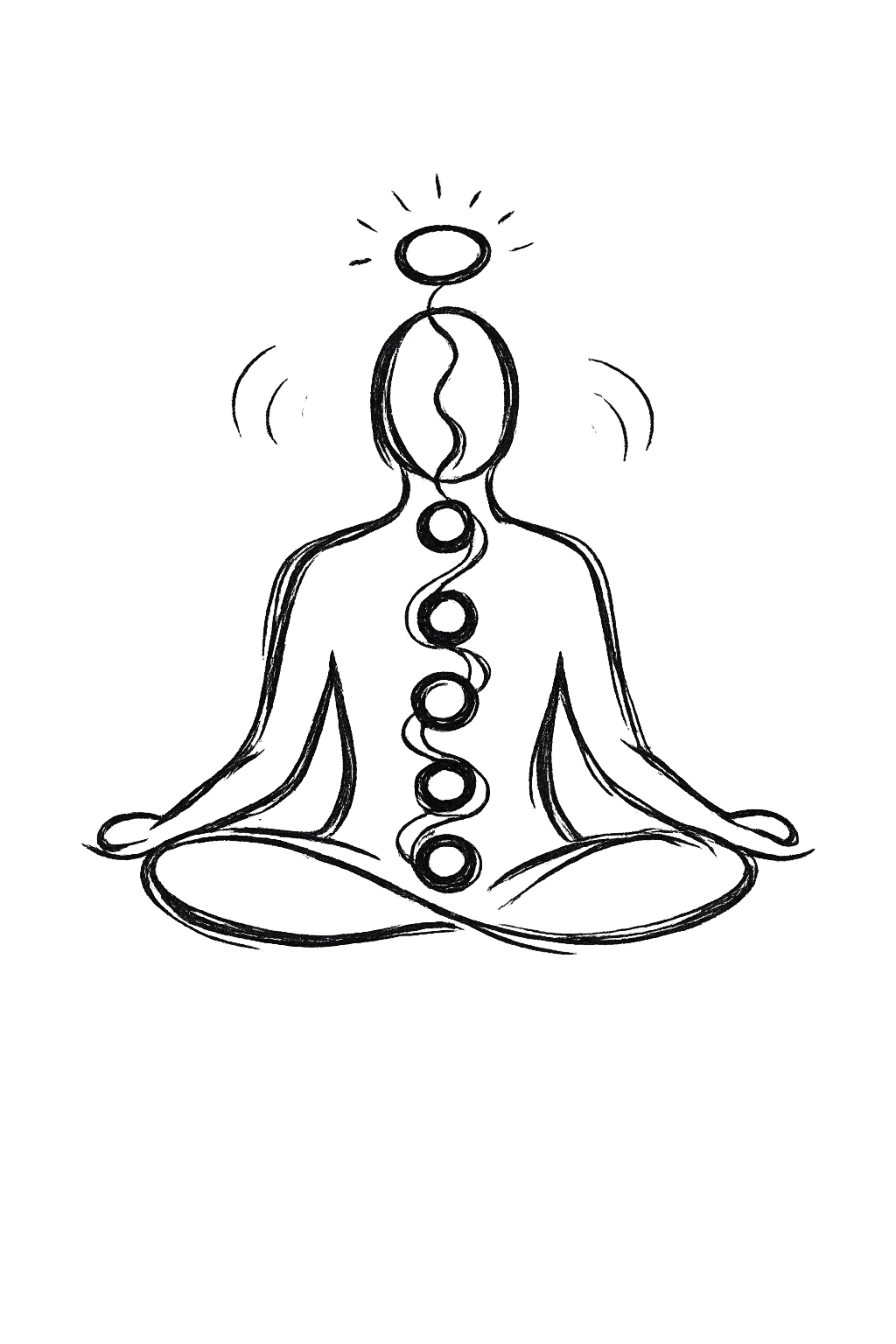
The seven chakras happen to touch nearly every major dimension of being human. Safety. Relationships. Identity. Love. Communication. Insight. Meaning. Whether these categories originate from an ancient energetic system or simply reflect universal human experience matters less to me than the fact that they invite honest reflection.

The Sound Is Always the Same
People regularly ask me why one sound bath felt profound while another felt distracting.
Why one week they experienced deep relaxation and another week they couldn't stop thinking.
Years ago I tried to answer those questions.
Maybe it was the sequence of the crystal bowls.
Maybe it was the gong.
Maybe it was the guided meditation.
Maybe I had simply played differently that evening.

We Never Come to the Same Sound Bath Twice
One of my favorite parts of guiding sound baths is hearing what people experienced afterward.
Sometimes two people lying just a few feet apart describe completely different journeys.
One feels peaceful.
Another feels emotional.
One person falls asleep almost immediately.
Another says their mind wandered the entire time.
What Our Practice Reveals
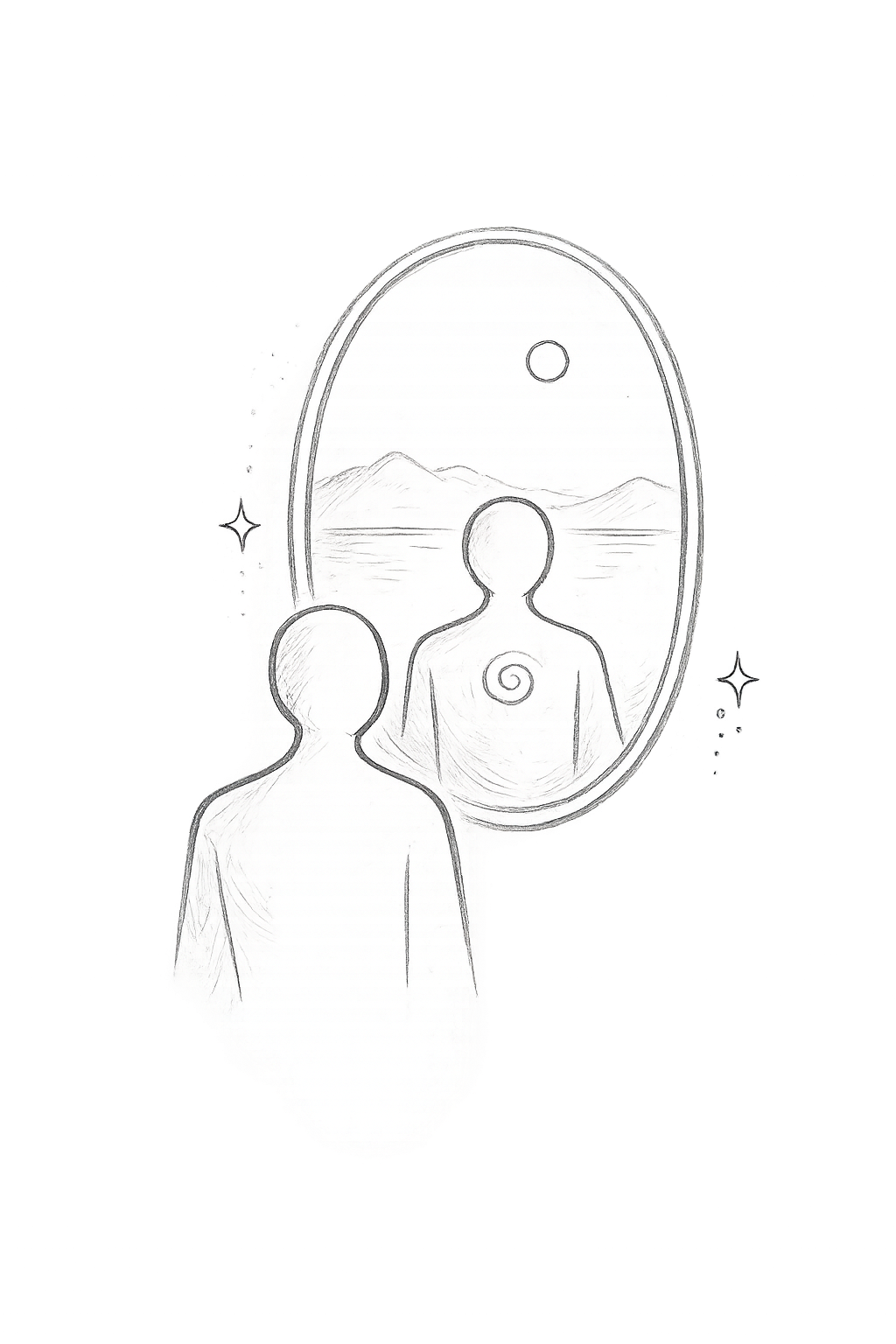
One of the reasons yoga has remained such a consistent part of my life is that it quietly tells me how I’m doing.
Not how flexible I am.
How I’m doing.

The Quiet Ingredient in Every Sound Bath
The more I guide sound baths, the more I believe transformation rarely comes from one dramatic thing.
It's usually the accumulation of many small things.
The lighting.
The warmth of a blanket.
The first deep breath.
The resonance of a crystal bowl.
The bloom of a gong.
A cup of tea after class.
A subtle fragrance that you hardly notice until you realize you're breathing more slowly than when you arrived.
None of those things, by themselves, create the experience.
Together, they do.